Relay Handoff Techniques Shape Fluid Flag Transitions in Pro Capture the Flag Esports
Jonas Reed · Nov 4, 2026
Relay Handoff Techniques Shape Fluid Flag Transitions in Pro Capture the Flag Esports
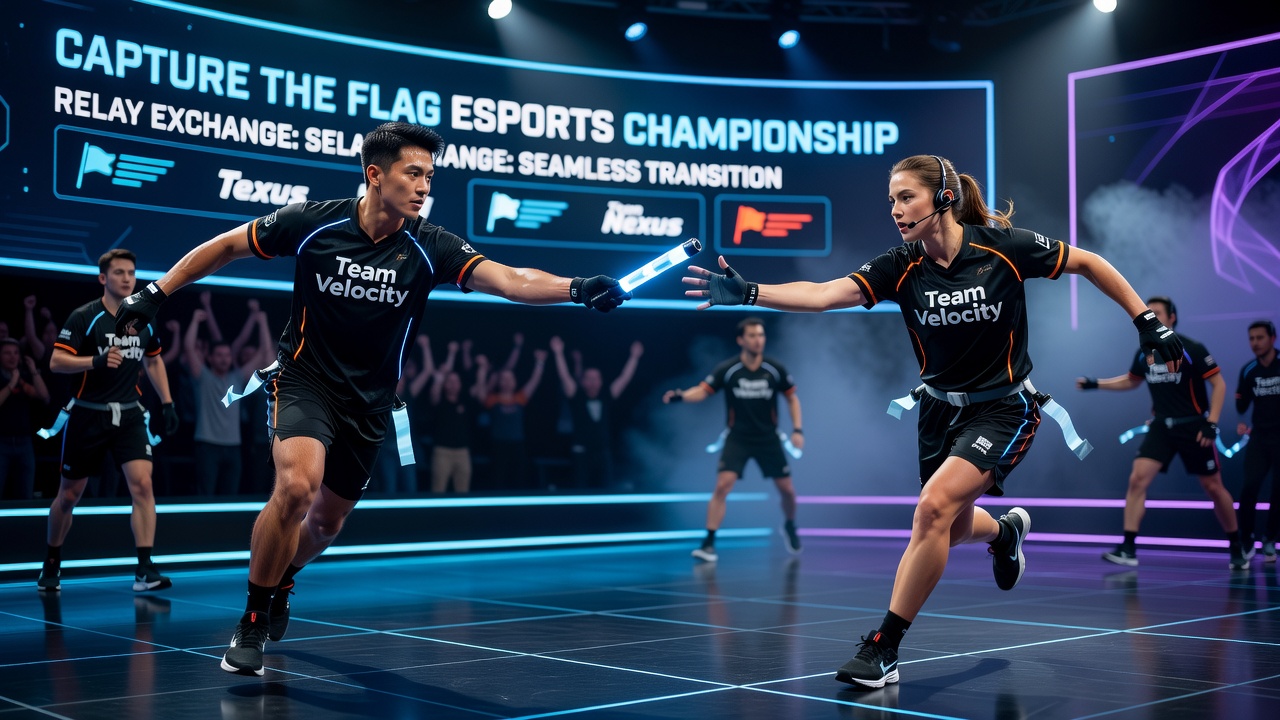
Track and field relay exchanges have long emphasized precise timing, spatial awareness, and synchronized movement among team members, and these elements now influence how professional capture the flag esports teams manage flag handovers during competitive matches. Observers note that athletes in sprint relays pass a baton within a designated 20-meter exchange zone while maintaining speed, a process that requires coordinated acceleration and deceleration patterns. In esports versions of capture the flag, players apply similar coordination when transferring control of a virtual flag between teammates, especially in fast-paced environments where one second of hesitation can shift match outcomes.
Core Mechanics of Relay Exchanges in Athletics
Researchers from the Australian Institute of Sport have documented how elite relay teams use visual and verbal cues to time baton passes, with data showing that successful exchanges occur when runners reach peak velocity within the exchange zone. Studies indicate that teams reduce transition times by 0.15 to 0.25 seconds through repeated drills that focus on non-visual handoffs, where the incoming runner extends the baton into a fixed position for the outgoing runner. These techniques rely on muscle memory developed over hundreds of practice sessions rather than reactive adjustments during competition.
Coaches break down the exchange into phases that include approach speed, arm positioning, and immediate acceleration after receiving the baton. Data from international competitions reveals that teams employing upward or downward pass styles achieve different stability levels depending on track conditions and wind factors, yet both methods prioritize seamless momentum transfer over individual performance peaks.
Application to Capture the Flag Esports Matches
Professional capture the flag esports circuits have begun integrating relay-style training protocols into team preparation routines, particularly for scenarios involving flag carrier switches under pressure. In these matches, one player secures the opposing team's flag while teammates provide cover and create pathways for safe return, a sequence that mirrors the baton pass zone in track events. Teams coordinate movements through voice comms and predefined callouts that function like the verbal signals used by relay runners, ensuring the flag transitions without loss of positional advantage.
Analysts tracking tournament data from major events in 2025 found that squads practicing relay-inspired drills reduced flag drop rates by approximately 18 percent during late-round pressure situations. The emphasis lies in maintaining forward momentum, where the new flag carrier continues along an optimal route instead of pausing to assess surroundings. This approach draws directly from athletics research showing that deceleration during exchanges increases overall race times and creates opportunities for opponents to close gaps.
Training Integration and Performance Data
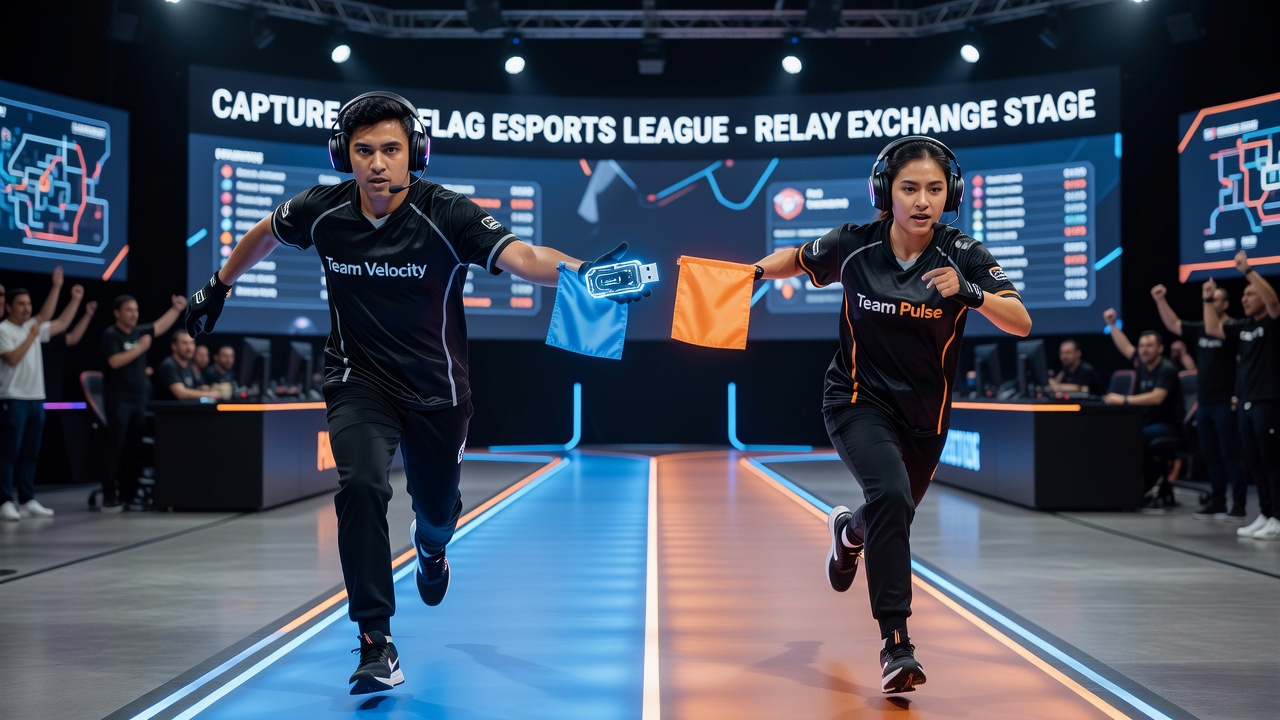
Coaching staffs now blend physical relay drills with simulated esports sessions to build transferable skills in timing and spatial judgment. Participants run short sprints while practicing verbal handoff cues before transitioning to keyboard and mouse inputs in training environments, a method that strengthens neural pathways associated with rapid decision making. According to reports from the International Olympic Committee-linked performance labs, athletes who combine these modalities demonstrate improved reaction times in digital scenarios that require split-second coordination.
League organizers have noted increased adoption of these hybrid programs ahead of the November 2026 championship cycle, where multiple regional circuits plan to host cross-training workshops. Figures from industry reports compiled by the Esports Integrity Commission show that teams investing in athletics-derived transition drills recorded higher win percentages in matches extending beyond 45 minutes, periods when fatigue typically affects coordination accuracy.
Case Examples from Recent Circuits
One North American squad adopted relay exchange visualization tools during their 2025 season preparation, projecting track footage onto practice screens while reviewing match replays. This allowed players to map physical handoff mechanics onto virtual flag routes, resulting in measurable improvements during live events. European teams have experimented with similar methods, incorporating motion capture data to refine player positioning models that parallel the staggered starts used in 4x100 meter relays.
Observers tracking global esports schedules report that these adaptations appear most frequently in objective-based modes where flag security demands constant team rotation. The pattern aligns with findings from university biomechanics studies indicating that pre-planned exchange protocols outperform reactive strategies when multiple variables, such as opponent positioning and map geometry, enter play simultaneously.
Conclusion
Relay exchange principles continue to inform transition strategies across professional capture the flag esports, with measurable effects on team execution and match results. Data from athletics research and esports performance tracking systems demonstrate parallel benefits in timing precision and momentum maintenance. As circuits prepare for upcoming 2026 events, teams maintain focus on refining these integrated approaches through ongoing drills and analytical review.